
Language
Seoul Subway Platform Korean: “This Train,” “Next Train” and the Numbers on the Floor
Read a Seoul subway platform board in ten seconds: 이번 열차, 다음 열차, -행 and 도착 예정. Plus what the numbers painted on the floor mean, and why…
THE 4PM COLLECTION
Stories about speaking, listening, and finding confidence across languages—from everyday expressions to the moments textbooks leave out. Here you’ll find the Korean people actually use in cafés, convenience stores, subways and shops, with Hangul, romanization and the situations where each phrase fits. Every guide is written by a Korean teacher with 15 years of experience teaching adults, so you learn what to say, what you’ll hear back, and the small cultural cues behind the words. Start with café ordering, subway announcements or convenience-store phrases, and come back whenever a real moment in Korea leaves you lost for words.
Read a Seoul subway platform board in ten seconds: 이번 열차, 다음 열차, -행 and 도착 예정. Plus what the numbers painted on the floor mean, and why…
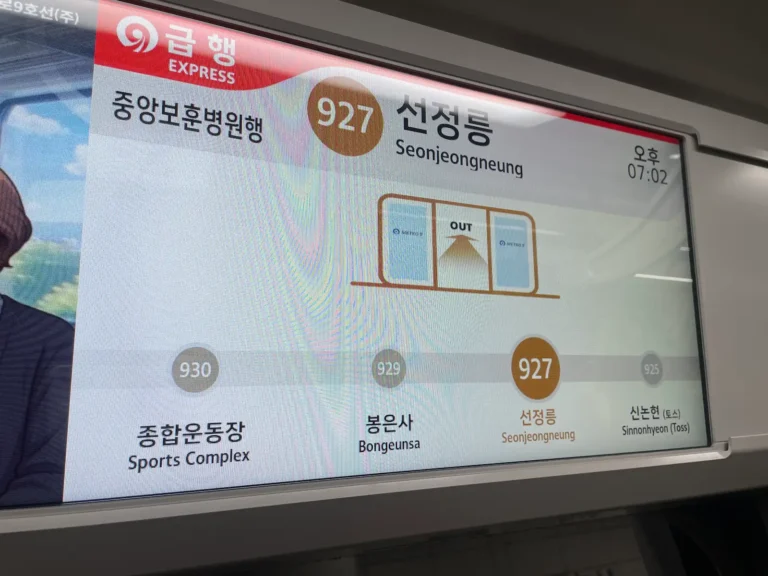
Seoul's golden Line 9 runs two kinds of trains: 급행 (express) and 일반 (local). Here's how to tell them apart in Korean, which stations the express stops at,…
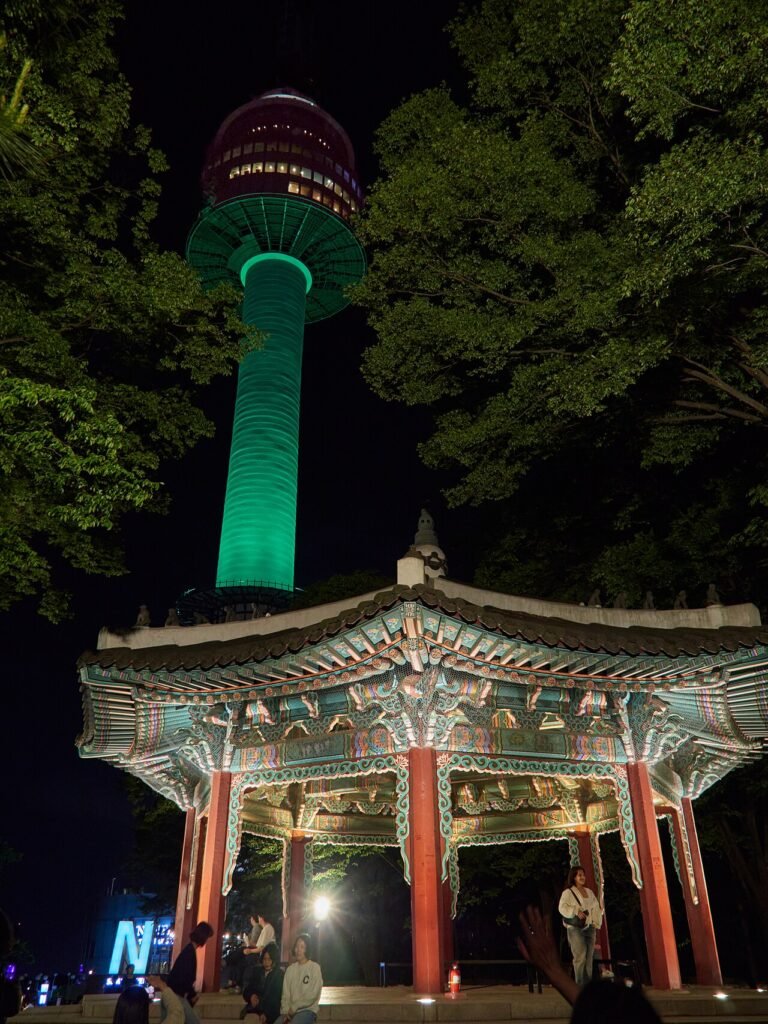
Things to do in Seoul in November 2026: Namsan night walks, the Seoul Dance Festival, a free art book fair, apples at Cheonggye Plaza, exam day, and the…

길고양이, 길 잃은 고양이, 유기묘, 파양묘, 입양 갔어요: how Korean tells a cat's story in one word, with the 길 word family, real shelter signs and useful grammar.

Learn Korean cat slang with real cat photos: 냥이, 집사, 냥냥펀치, 식빵 굽기 (the loaf), 꾹꾹이, 치즈냥, 고등어, 턱시도 and more, with romanization and example sentences.

Korean clothing words with real price tags from a secondhand shop in Seoul: 가디건, 패딩, 조끼, 원피스, how to read 8,000 and 19,000 won, and phrases for trying…

How to open triangle kimbap (1, 2, 3), what's in a Korean convenience store dosirak, how to read the labels and heat your lunch, with Korean phrases and…

Your guide to Korean convenience stores: what 1+1 and 2+1 mean, the signs on the door, and the exact questions the cashier will ask, with romanization.
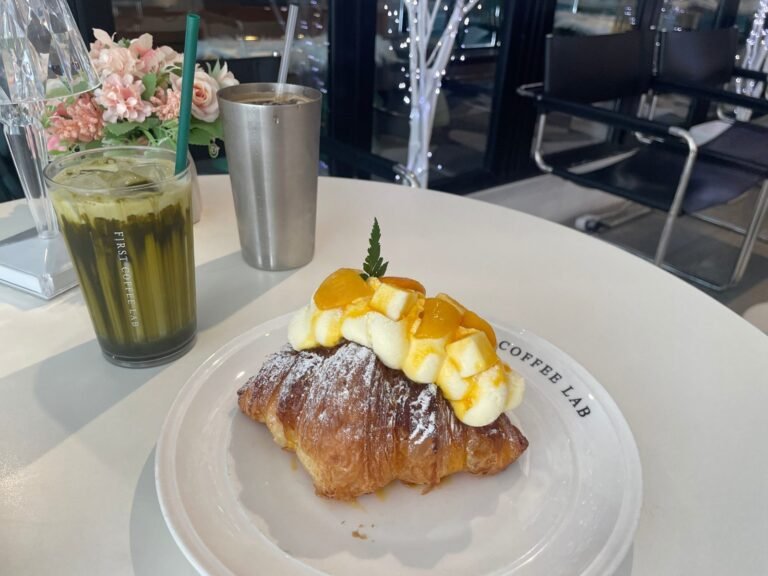
바삭, 촉촉, 쫀득, 꾸덕: learn the Korean texture words Koreans use for desserts and food, including the famous 겉바속촉, with romanization and examples.

Bitter, nutty, smooth, "clean"? Learn the Korean taste words people really use for coffee and food, from 고소하다 to 깔끔하다, with romanization.