
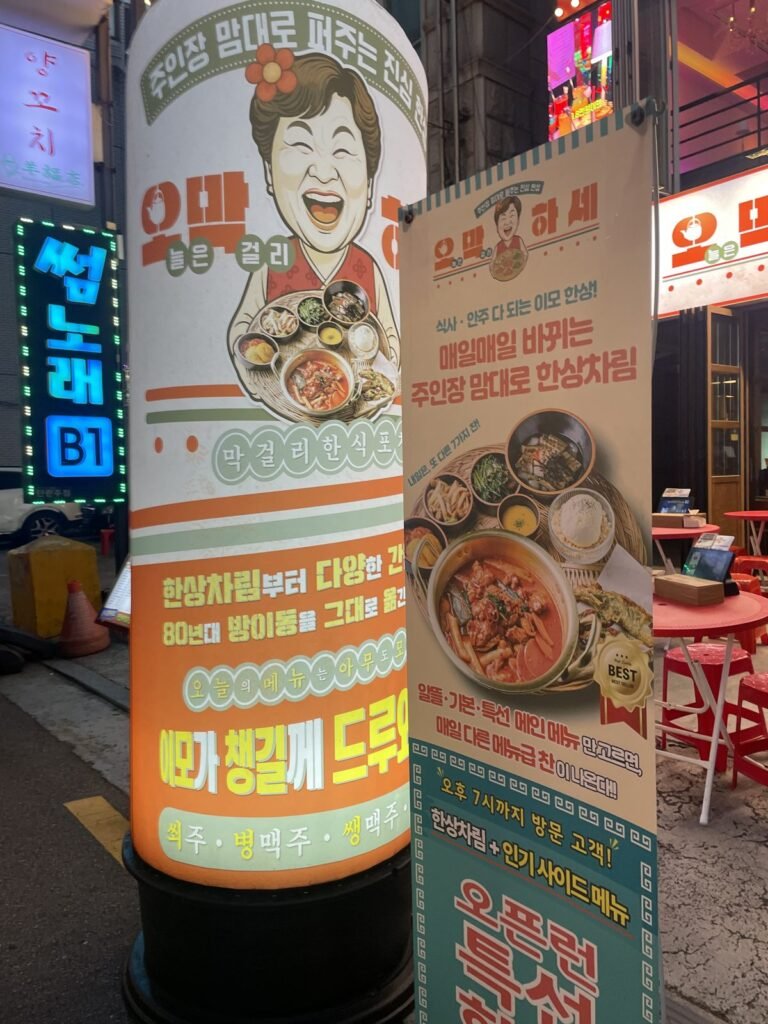
Culture
A Retro Korean Pocha: 이모, 한상차림 and Your Zodiac on the Tablet
How to call 이모, what 한상차림 and 쐬주 mean, and the 띠 zodiac words you'll meet at a retro Korean pocha.
THE 4PM COLLECTION
Stories about speaking, listening, and finding confidence across languages—from everyday expressions to the moments textbooks leave out. Here you’ll find the Korean people actually use in cafés, convenience stores, subways and shops, with Hangul, romanization and the situations where each phrase fits. Every guide is written by a Korean teacher with 15 years of experience teaching adults, so you learn what to say, what you’ll hear back, and the small cultural cues behind the words. Start with café ordering, subway announcements or convenience-store phrases, and come back whenever a real moment in Korea leaves you lost for words.
How to call 이모, what 한상차림 and 쐬주 mean, and the 띠 zodiac words you'll meet at a retro Korean pocha.
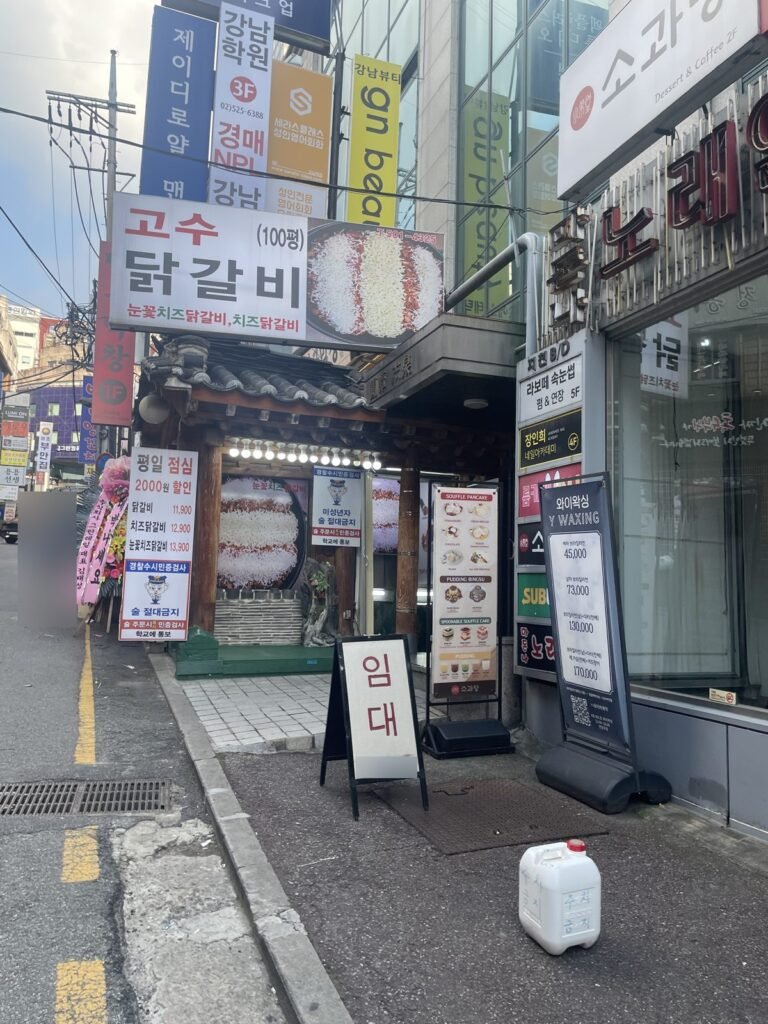
고수 can mean cilantro or a master. How to tell them apart, plus sign words and how to order dakgalbi.
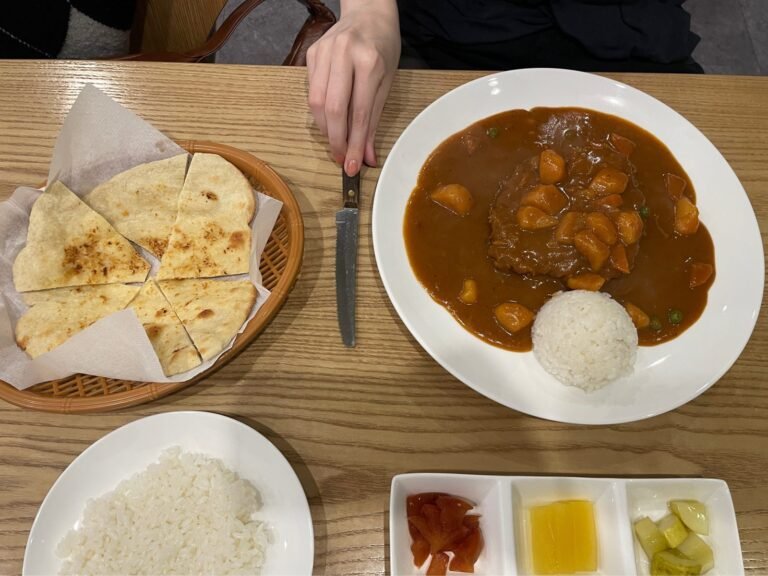
Why Korean has two spellings for curry, what goes into Korean-style 카레, and the menu words and phrases you need.
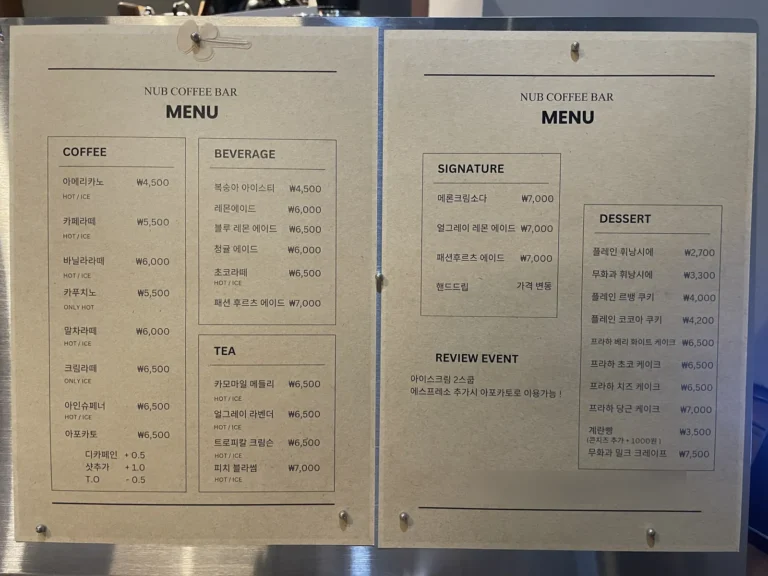
Korean café menus look easy until you hit the small print: 샷추가 +1.0, T.O -0.5, ONLY ICE. Then you find highballs next to the lattes. This post decodes…
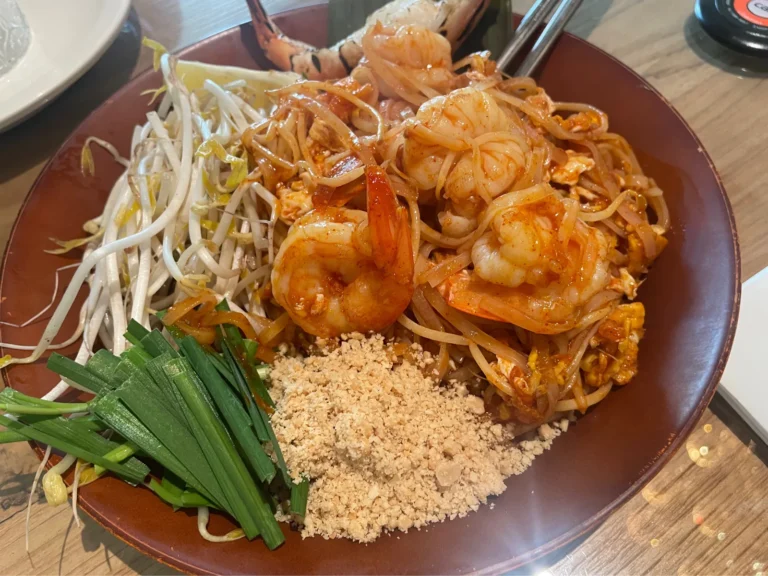
Here’s a fun reading exercise: open the menu at a Thai restaurant in Seoul. Every dish has three names, in Thai script, in Korean and in English, and…
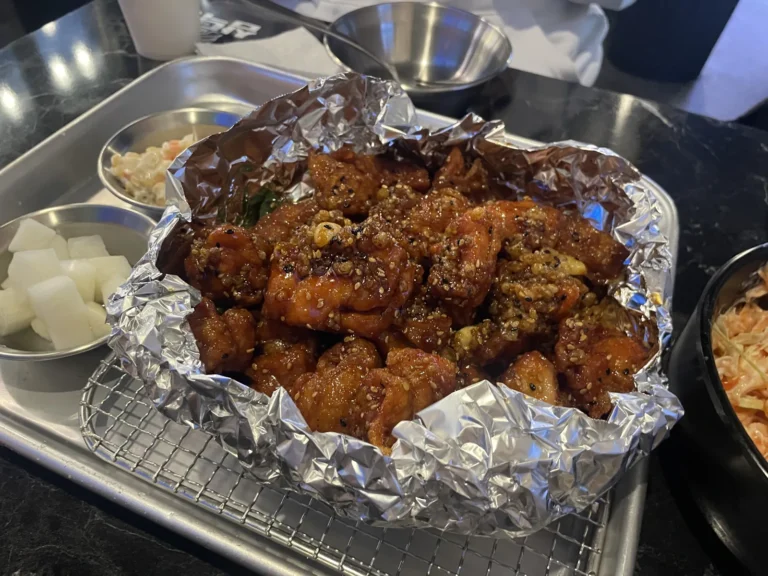
Korean fried chicken has its own vocabulary, and the menu can feel like a quiz: 순살 or 뼈? 양념 or 간장? Why does everyone say 치맥? I learned…
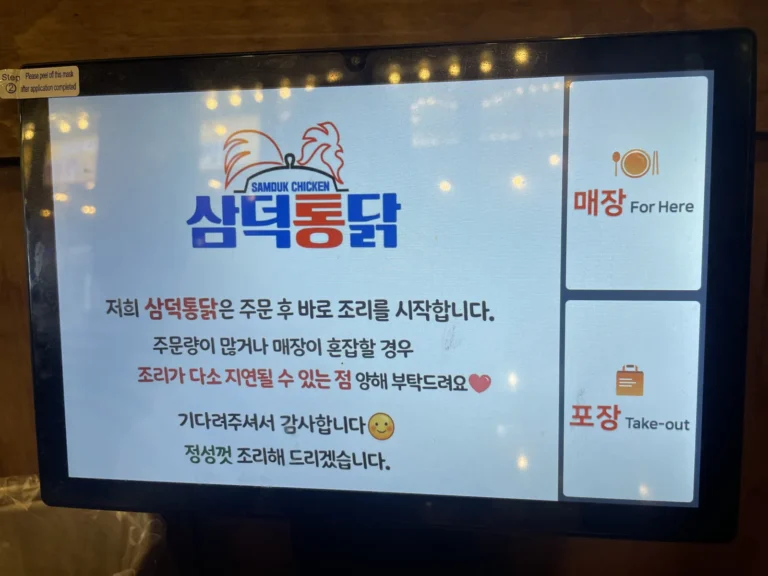
You walk into a Korean restaurant, smile at the staff, and they point at a tablet on your table or a screen by the door. Welcome to the…

“What TOPIK level do you have?” is one of the first questions Korean universities, scholarship programs and even visa rules ask. But the TOPIK doesn’t give you a…

If you’re planning to take the TOPIK this winter, the dates you need are already on the official calendar. The next new registration window opens on December 8,…

The night before the TOPIK, nobody worries about grammar. They worry about the small things: What time do I have to be in the room? Is my phone…