You know the words for coffee, weather and weekend plans. Then someone asks a follow-up question you didn’t rehearse, and every sentence in your head quietly packs a suitcase and leaves.
The problem usually isn’t vocabulary. It’s pressure: you feel you must answer immediately, correctly and at the right politeness level, all at once. That’s three jobs for one tired brain.
So let’s make the goal smaller. Don’t aim for a perfect answer. Aim to keep the conversation alive for another twenty seconds. I call this the 20-second bridge. It isn’t a scientific rule, just a practice tool: buy a little time, show you’re listening, and give the other person a reason to keep talking.
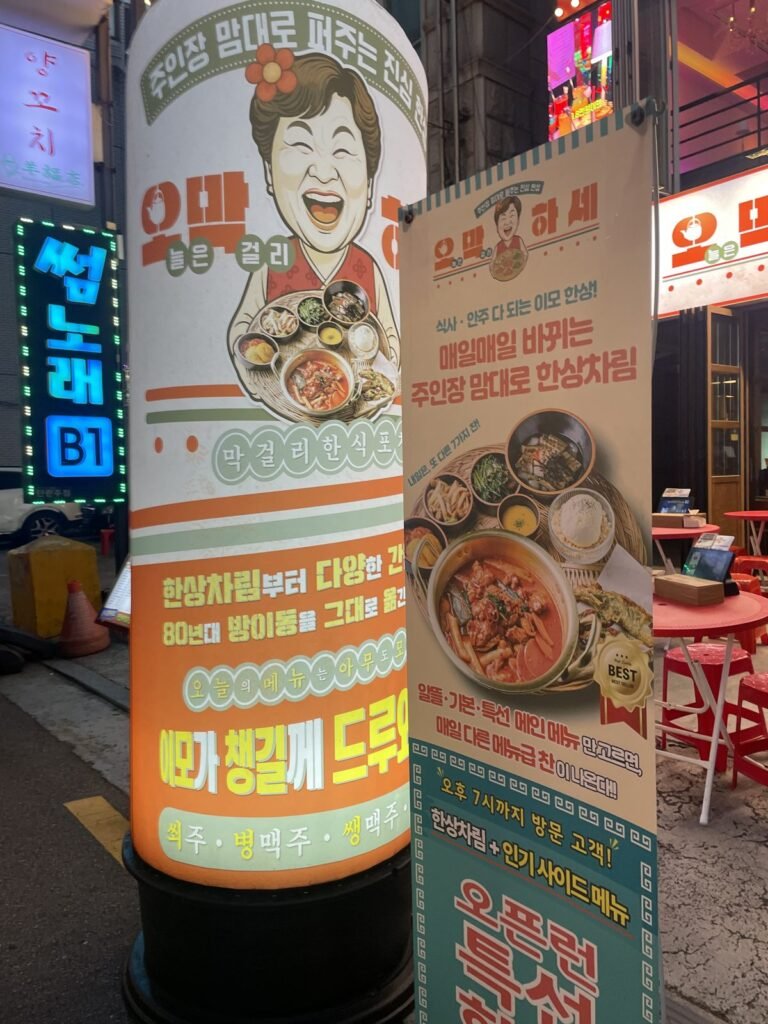
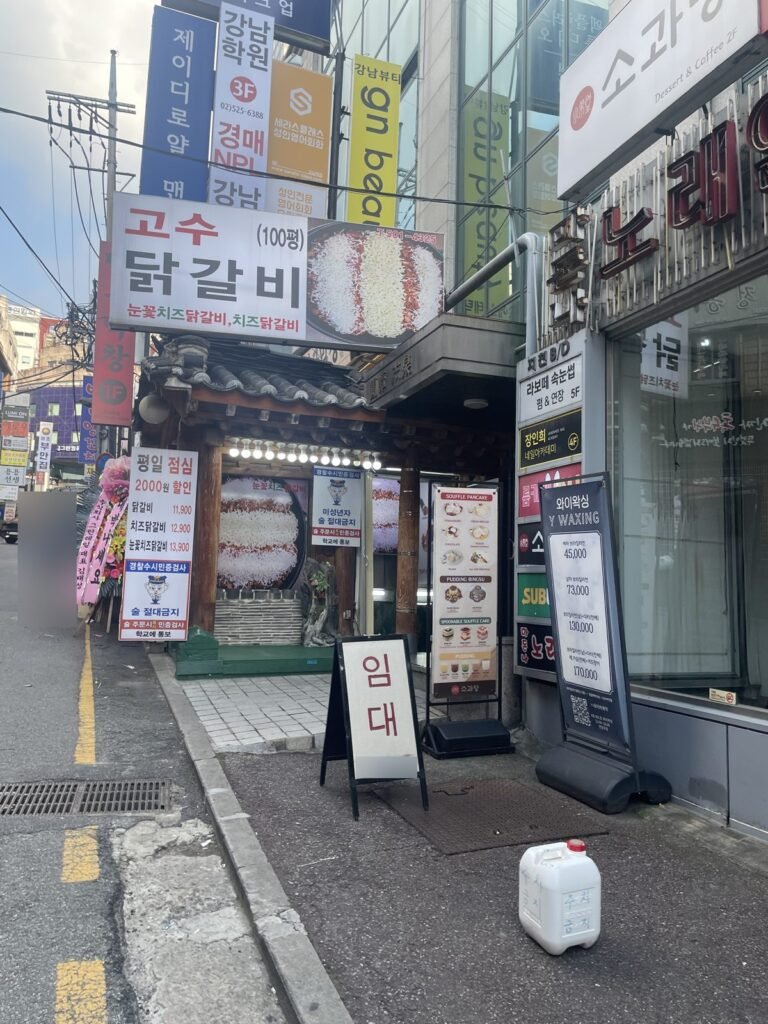
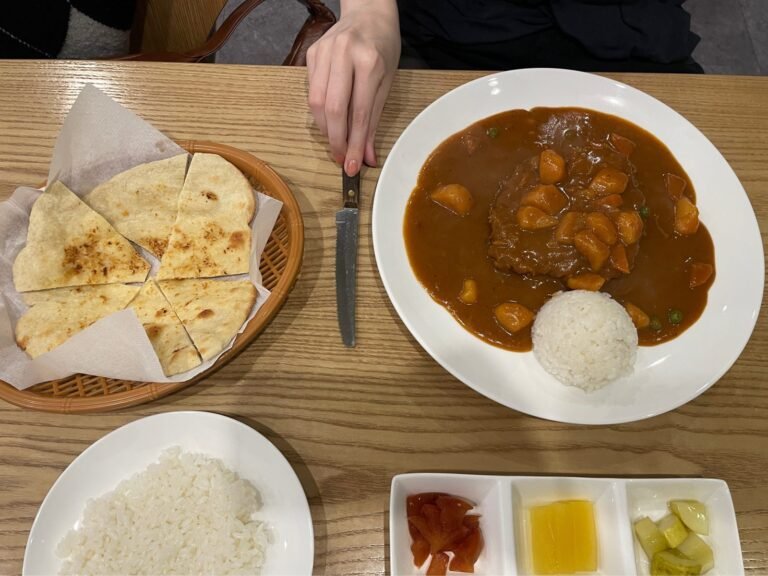
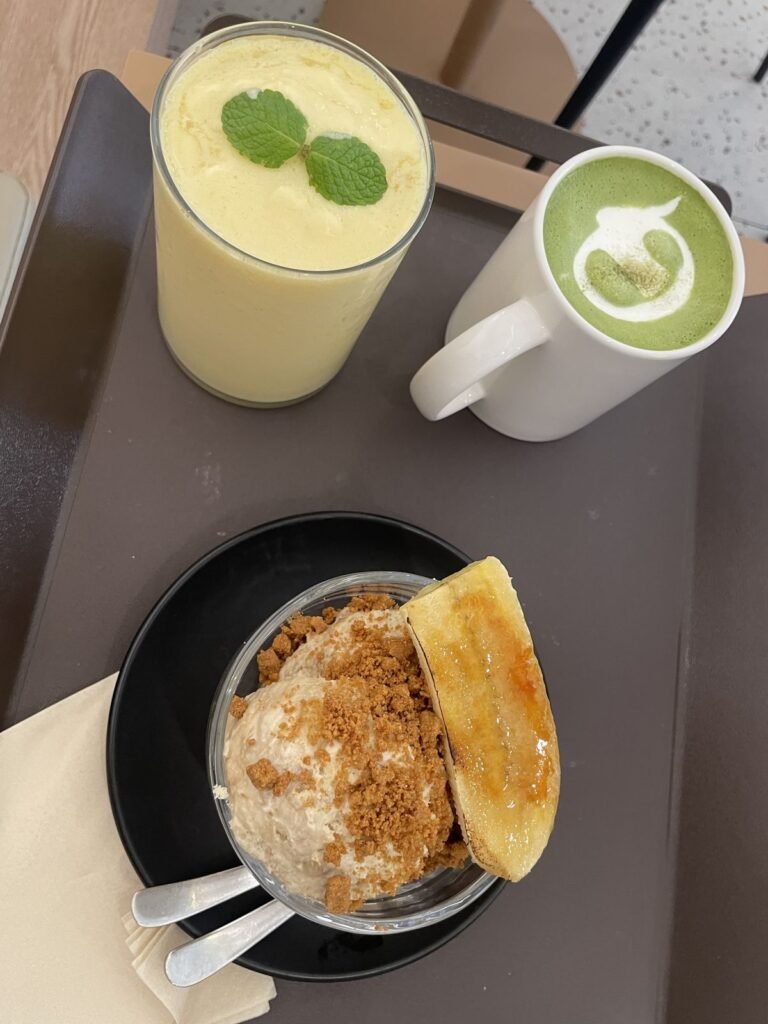
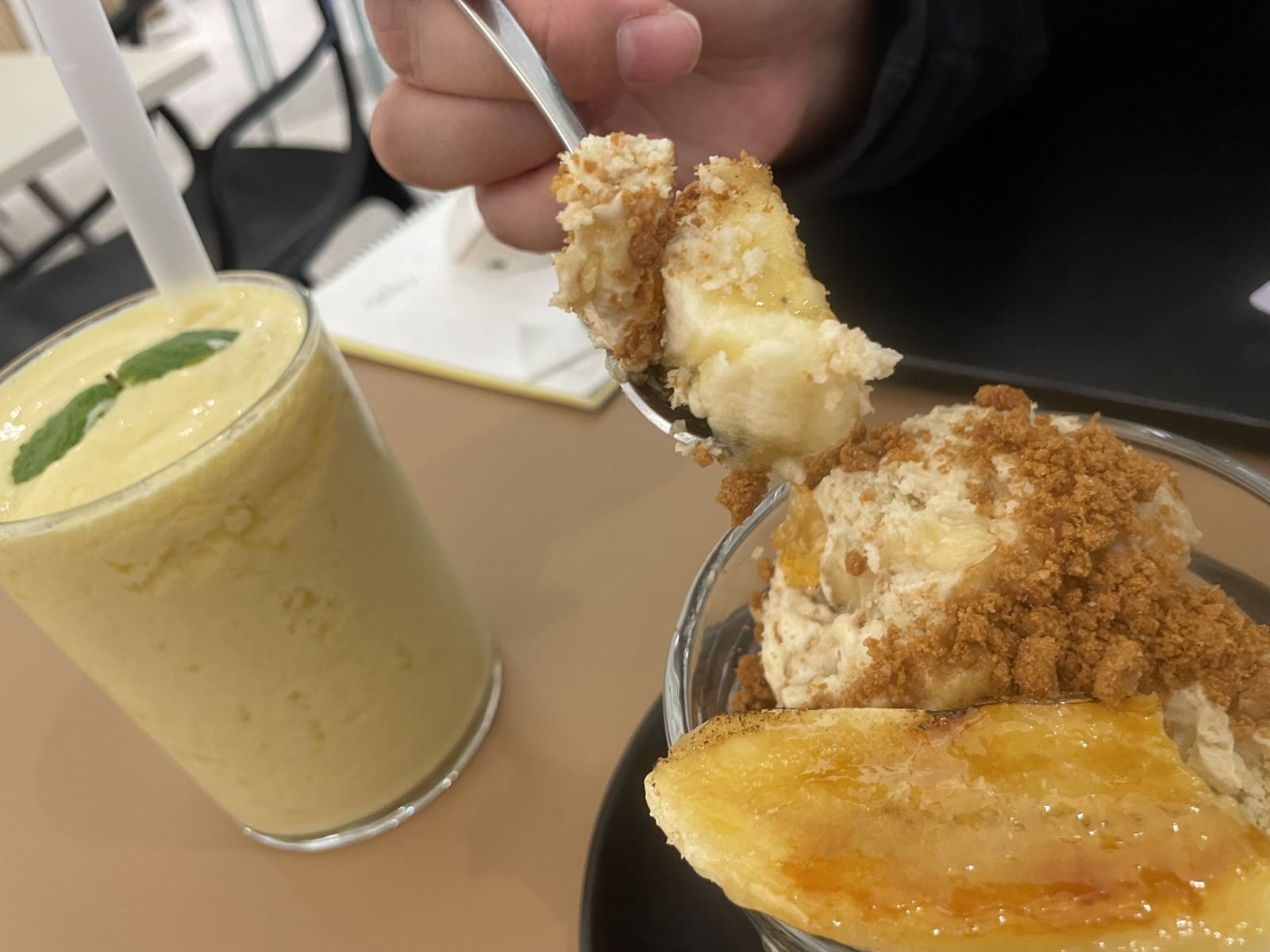
The photos here are mine, from a café afternoon in Seoul in October 2026, which is exactly where most of these small conversations happen.
Step 1: Make a little space (without apologizing for your Korean)
A short pause is normal in any conversation. You don’t need to announce that you’re a beginner every time you need one.
- 잠깐만요. (jamkkanmanyo.) — “Just a moment.” For when you simply need a second.
- 생각해 볼게요. (saenggakhae bolgeyo.) — “Let me think about it.” Good for a choice or an opinion.
- 음, 어떻게 말하지? (eum, eotteoke malhaji?) — “Hmm, how do I say it?” This one is casual, almost talking to yourself. Save it for friends.
With someone new, stay with the polite -요 (-yo) endings. You don’t have to sound stiff, but -요 is the safe starting point until the other person suggests speaking more casually.
Teacher’s note: Korean has a lovely filler, 그러니까 (geureonikka), roughly “so, I mean…”. Saying it slowly gives you two full seconds of thinking time and sounds completely natural.
Step 2: Repair one missing piece, not the whole conversation
When you miss a word, don’t pretend you understood. Nodding along is how you end up agreeing to a hiking trip at 5 a.m. Ask about the smallest piece you missed:
- 다시 한번 말씀해 주시겠어요? (dasi hanbeon malsseumhae jusigesseoyo?) — “Could you say that again?” Very polite.
- 조금 천천히 말씀해 주세요. (jogeum cheoncheonhi malsseumhae juseyo.) — “Please speak a little more slowly.”
- 그게 무슨 뜻이에요? (geuge museun tteus-ieyo?) — “What does that mean?” Use it for one unfamiliar word.
- 제가 제대로 이해했는지 모르겠어요. (jega jedaero ihaehaenneunji moreugesseoyo.) — “I’m not sure I understood correctly.”
If you caught the topic but lost a detail, be specific. 몇 시라고 하셨어요? (myeot si-rago hasyeosseoyo?), “What time did you say?”, is much easier to answer than “I didn’t understand anything.”
Notice 말씀 (malsseum) in these phrases. It’s the honorific word for someone’s speech. Using it for the other person’s words is a small, polite gesture Koreans notice.
Step 3: React, so there’s room for a next turn
Many conversations die because the learner treats each question like a test: answer correctly, stop. In real conversation, a small reaction is the bridge to the next turn.
- 아, 그렇군요. (a, geureokunyo.) — “Oh, I see.” Neutral, always safe.
- 정말요? (jeongmallyo?) — “Really?” Interest or surprise. Your tone does the work.
- 그다음에 어떻게 됐어요? (geudaeume eotteoke dwaesseoyo?) — “And then what happened?” Perfect when someone is telling a story.
- 왜 그렇게 생각하세요? (wae geureoke saenggakaseyo?) — “Why do you think so?” For opinions, not for personal or sensitive topics.
Each one does a different job. “I see” shows you’re following. “And then?” asks for more story. “Why?” invites reasons. Choose by the moment instead of repeating one phrase after every sentence, which turns you into a very polite parrot.
Step 4: Add one detail of your own
A short answer becomes a conversation when you attach one specific detail. Suppose someone asks:
주말에 뭐 했어요? (jumare mwo haesseoyo?) — “What did you do on the weekend?”
An answer that closes the door:
집에 있었어요. (jibe isseosseoyo.) — “I stayed home.”
An answer that opens it:
집에 있었어요. 요즘 좀 바빠서 쉬고 싶었거든요. 주말에 뭐 하셨어요?
(jibe isseosseoyo. yojeum jom bappaseo swigo sipeotgeodeunyo. jumare mwo hasyeosseoyo?)
“I stayed home. I’ve been busy lately, so I wanted to rest. What did you do on the weekend?”
Same basic vocabulary. The second version adds a reason and returns the question, so the other person now has two directions to go.
~거든요 (-geodeunyo) is worth learning here. It gives a reason in a soft, “you see…” way, and it makes your Korean sound instantly more natural.
Three situations to rehearse
At a café
Other person: 이 카페 자주 와요?
i café jaju wayo? — Do you come to this café often?You: 가끔 와요. 여기 디저트가 맛있어요. 혹시 이 근처에 다른 카페 추천해 주실 수 있어요?
gakkeum wayo. yeogi dessert-ga masisseoyo. hoksi i geuncheoe dareun café chucheonhae jusil su isseoyo? — Sometimes. The desserts here are good. Could you recommend another café nearby?
After a class or meetup
Other person: 오늘 어땠어요?
oneul eottaesseoyo? — How was today?You: 재미있었어요. 그런데 마지막 부분은 조금 어려웠어요. 이해하셨어요?
jaemiisseosseoyo. geureonde majimak bubuneun jogeum eoryeowosseoyo. ihaehasyeosseoyo? — It was fun. But the last part was a bit hard. Did you understand it?
Talking about food
Other person: 매운 음식 좋아하세요?
maeun eumsik joahaseyo? — Do you like spicy food?You: 좋아하는데 많이는 못 먹어요. 안 매운 것 중에 뭐가 맛있어요?
joahaneunde manineun mot meogeoyo. an maeun geot junge mwoga masisseoyo? — I like it, but I can’t eat much. What’s good that isn’t spicy?
These aren’t scripts every Korean speaker will follow. The pattern is what matters: answer → one detail → one real follow-up question.
What not to do when you freeze
Don’t turn every pause into an apology. Saying 제가 한국어를 잘 못해요 (jega hangugeo-reul jal mot haeyo), “I’m not good at Korean,” again and again makes the other person spend the conversation reassuring you. A simple request to repeat is kinder to both of you.
Don’t ask sensitive questions to fill the silence. Age, salary, relationships and family can be uncomfortable depending on how well you know each other. Stay with the place, the food, or something the other person brought up.
Don’t chase perfect pronunciation over meaning. If you’re understood, finish your thought. Write the tricky word down and check it later.
A 25-minute speaking practice
- Minutes 0–5: Warm up with a real question about the day. Skip the memorized self-introduction if you already know each other.
- Minutes 5–15: Pick one everyday topic: food, a neighborhood, a weekend plan. Use at least two repair phrases from Step 2.
- Minutes 15–22: Switch roles. Ask follow-up questions and give answers with one extra detail.
- Minutes 22–25: Write down three expressions you wanted but couldn’t find. Keep the list short enough to actually use next time.
The point is connection
Fluency isn’t only long, perfect sentences. Sometimes it’s knowing how to hold a pause, ask for help, and return a question with real curiosity. The next time a word disappears, don’t treat the conversation as over. One small sentence is enough to keep it going.
Keep exploring